COMBATING CHILD LABOUR, PROMOTING THEIR EDUCATION
Freies Projekt
522509 Guntur (Anderes Land)
Jonathan Karyampudi
Klassenstufe: 5-14
Teilnehmende: 100
Läuft bis: 01.04.2023
Literacy and Education are the foundation on which socio-economic development either of an individual or a society or nation is possible. The high level of education indicates the advancement of society. In the Indian context there is a high level of literacy and education in urban areas whereas the same is in a much dismal state in the rural areas and the governments both at the Center and the States have been conscious of this continuously expanding gap. The gigantic budgetary provisions have not been able to bring out the desired achievements on account of the ever growing population, perpetual poverty, lopsided priorities of the parents, dilution of objectives while implementing educational oriented programs at the grass root level.
The conditions prevailing in some
states are well known and in these states at the grass root level in rural areas the people are still devoid of basic infrastructure facilities like roads, sanitation, safe drinking water, electricity, schools and colleges, vocational education facilities, hospitals , transport etc. The status in the country side of Andhra Pradesh is very worse and in case of the proposed Vatticherukuru ,Prathipadu and Ponnur
Revenue mandals under district of Guntur the rural people are still yearning for any worthwhile development in these sectors.
On a closer scrutiny of the problems of the rural areas it will be apparent that the pre occupation of the people especially belongs to
dalit communities is to somehow earn livelihood and remaining aspects are given secondary importance. Such category people being poor can be found struggling meals from dawn to dusk to somehow earn for two square a day and in this endeavor all the members of the family irrespective of age and gender can be seen engaged. Even Dalit
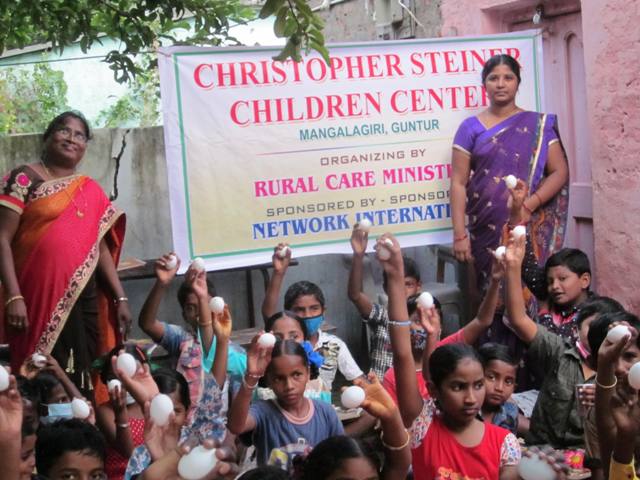
children of tender ages can be seen supporting the labor activities to generate resources for the livelihood of the family. This takes away the valuable opportunity which they are supposed to spend at schools. Thus the problems of livelihood earning and the associated struggles foreclose the scope of education of Dalit children and their progress in the socioeconomic ladder.